

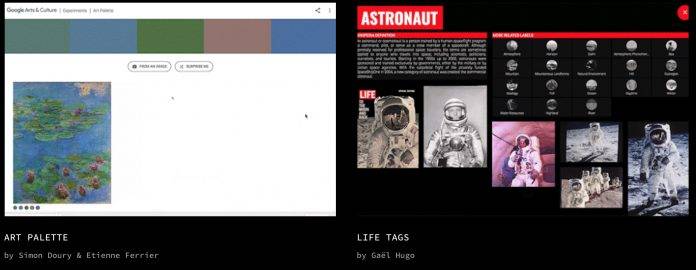
If you’ve already become bored with just going through your IG stories or Snaps or playing games over and over, the good news is that the Internet will not run out of things to keep you entertained and even well-informed. Google, in particular, has not stopped churning out experiments or encouraging developers to experiment. If you didn’t know it yet, they actually have an Arts & Culture Experiments collection where you can both submit your own experiments and explore what developers have come up with. Two of the featured ones are the Art Palette and the Life Tags.
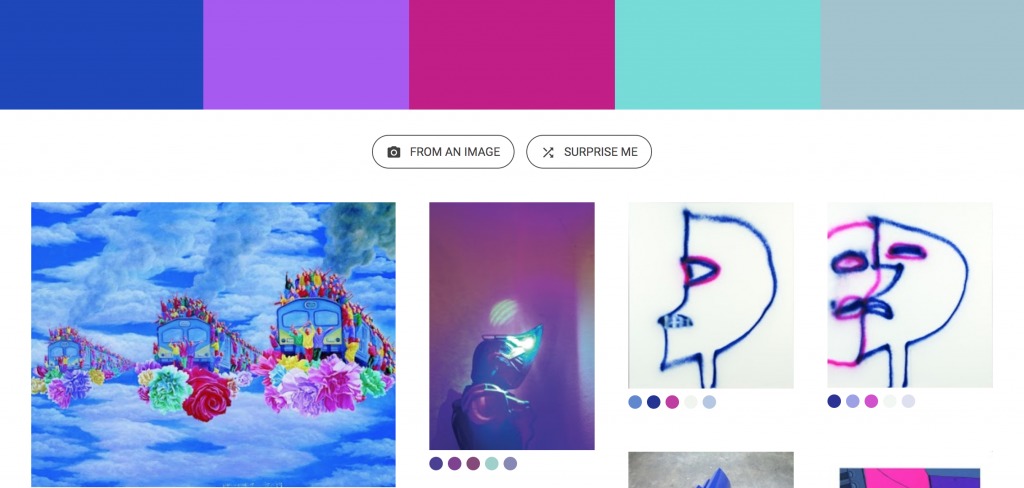
Art Palette is best experienced if it’s the only thing on your screen and if you like discovering artworks from artists all over the world. You’ll choose 5 different colors, whether it’s the same shade or contrastingly different ones. Then the system will look for artworks that match the color palette you’ve chosen. You’ll get to discover unknown artists that match your mood at the moment or if you need inspiration from other works of art, this is a good way to get you started (just don’t plagiarize). This is a browser-based app and you can view it in both desktop and mobile (we recommend using Chrome).
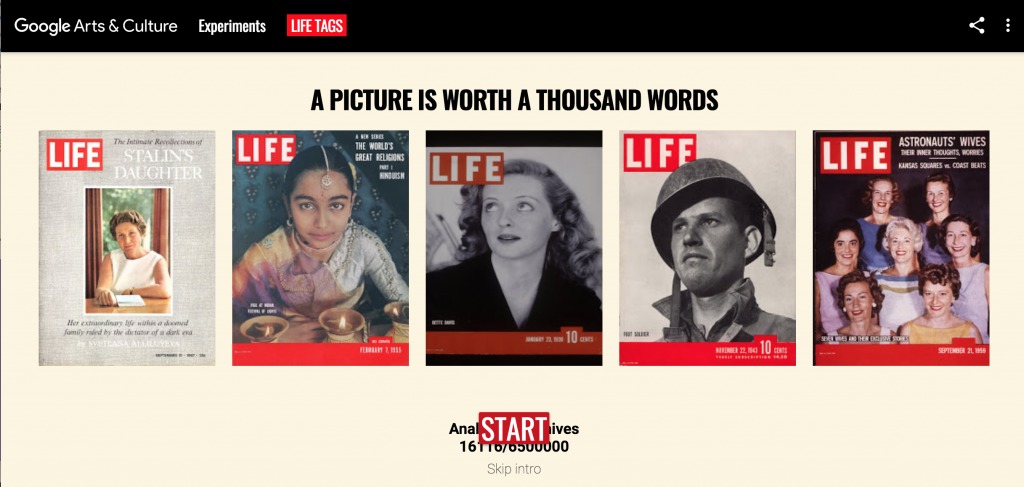
If you’re a longtime fan of LIFE Magazine and you want to explore their images for the past several decades of its existence, then you’ll be a fan of LIFE Tags. It will search through all the photos in its archives based on the keywords it enters. But it doesn’t only search for the subject but it uses machine learning and image analyzation so that it can also recognize the various elements inside a photo and not just the main focus or the tag used for it.
Art Palette was developed by Simon Doury and Etienne Ferrier while LIFE Tags is by Gaël Hugo. The Google Arts & Culture Experiments collection is another blackhole you can delightedly fall into if you’re looking for something to while the time away.
VIA: SlashGear